Skip to content
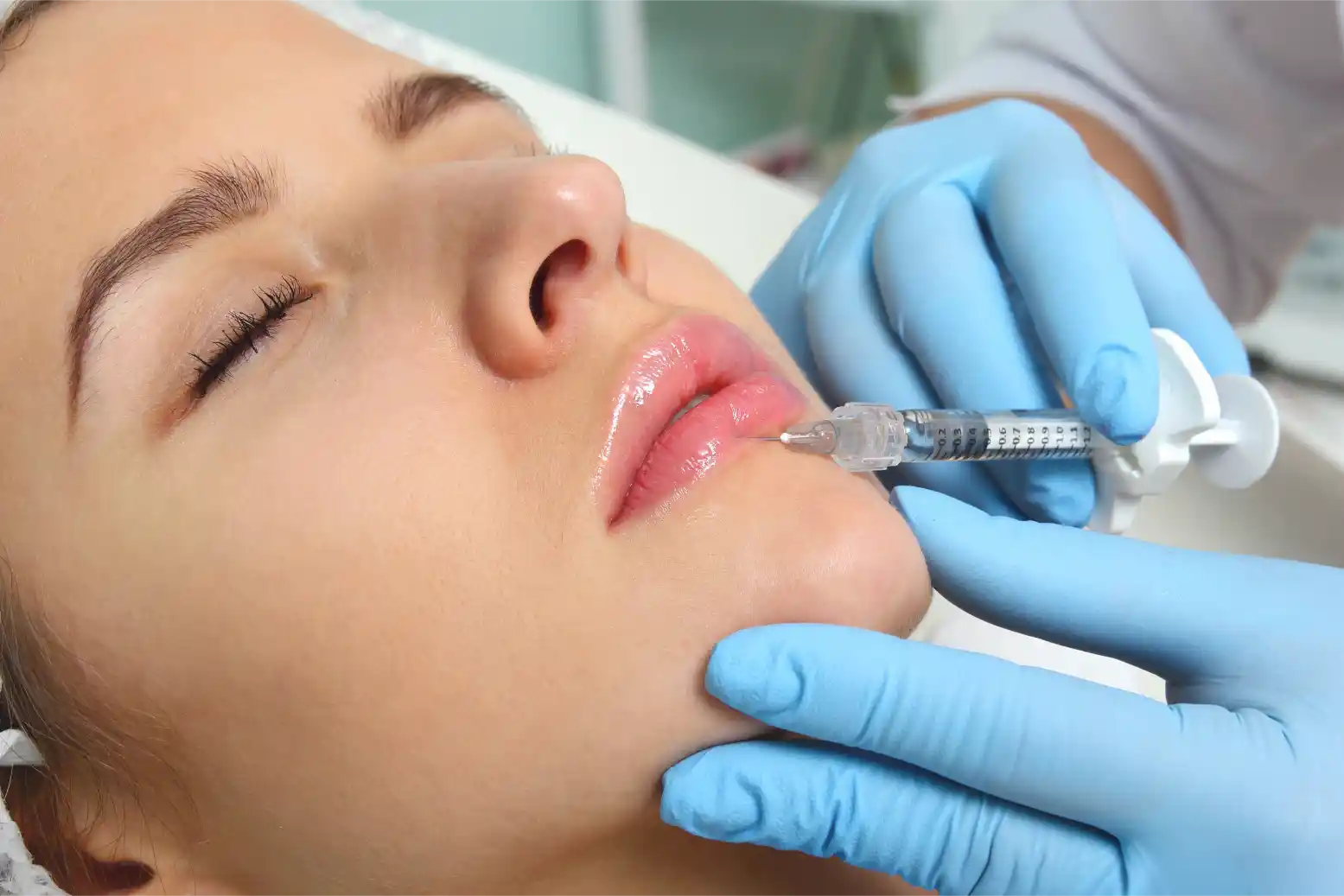
Table of Contents
Lip fillers are popular because they enhance natural features, not because they create dramatic change. The quality of your results is influenced just as much by preparation as it is by technique. When you take the right steps ahead of your appointment, swelling is minimized, recovery is smoother, and your injector can focus on precision and balance.
This guide breaks down how to prepare properly so you can walk into your appointment informed, comfortable, and ready for results that look refined and intentional.
Why Preparation Matters for Lip Filler Results
Lip tissue is delicate, highly vascular, and reactive. Even when injections are performed with expert precision, the body will still respond to the treatment process. Bruising, swelling, and tenderness are normal responses. However, preparation can significantly reduce their intensity.
Proper lip filler preparation helps create an ideal environment for your body to respond well to treatment. Some practical ways include avoiding unnecessary inflammation triggers and supporting your skin’s natural healing ability. By doing so, your lips settle faster and look more refined during the recovery phase.
Preparation also helps ensure that your injector has a clear understanding of your goals, your health history, and your expectations.
Start With a Personalized Consultation
Every successful lip filler experience begins with a detailed consultation. This step is not just for formality’s sake. It is the foundation of a customized treatment plan.
A thorough lip filler consultation guide should include a discussion of the following:
- Your lip shape
- Facial proportions
- Previous aesthetic treatments
- Type of results you hope to achieve
Your provider will assess symmetry, volume distribution, and movement patterns to determine which filler formulation and technique will best suit your anatomy.
During a personalized consultation, you may want to disclose medical conditions, medications, allergies, or a history of cold sores. Remember: Open communication allows your injector to plan safely and precisely.
Bring inspiration photos if helpful, but remember that results are always tailored to your unique features rather than copied from someone else.
What to Avoid in the Week Leading Up to Treatment
Preparing your body in advance is also recommended. This helps reduce bruising and inflammation after injections.
Several common medications and supplements can thin the blood and increase the likelihood of visible bruising. Thus, in the seven to ten days before your appointment, your provider may recommend avoiding non-prescription blood thinners. Examples of these are aspirin, ibuprofen, and naproxen. Supplements like fish oil, vitamin E, ginkgo biloba, garlic capsules, and turmeric can also contribute to bruising.
Avoid alcohol consumption for at least 48 hours before treatment. This is because alcohol increases blood flow and fluid retention. These two may intensify swelling. Reducing caffeine intake may also be helpful for patients who bruise easily.
Following these Lip filler appointment tips allows your body to approach treatment in a calmer, more balanced state.
Hydration and Skin Health Before Your Appointment
Hydrated skin responds better to injectable treatments. This is why drinking plenty of water in the days leading up to your appointment helps support skin elasticity and healing. Well-hydrated lips tend to swell less and recover more evenly.
Use a gentle lip balm regularly, especially if you experience dryness or flaking. Light exfoliation with a soft cloth can remove dead skin. However, avoid the use of aggressive scrubs.
You may also want to steer clear of sun exposure, tanning beds, and harsh skincare products near the mouth in the days before treatment to prevent irritation.
These simple habits are an often overlooked part of how to prep for lip fillers, yet they make a noticeable difference in comfort and recovery.
Managing Cold Sore Risk Before Lip Injections
Lip injections can stimulate a cold sore outbreak in patients with a history of herpes simplex virus type 1. This does not mean you are not a candidate for treatment. Nevertheless, proactive planning is essential.
Inform your provider if you have ever experienced cold sores. They may prescribe preventive antiviral medication before and after treatment to reduce the risk of an outbreak. Early disclosure allows your injector to protect both your comfort and your results.
Taking this step is a key part of preparing for lip injections safely and responsibly.
What to Expect on the Day of Your Appointment
Arriving prepared helps the appointment run smoothly. Come to your visit with clean skin and avoid wearing lipstick, lip gloss, or heavy makeup around the mouth area.
Most providers apply a topical numbing agent to enhance comfort during treatment. Once numb, injections typically take less than 30 minutes. You may feel pressure or brief pinching, but discomfort is generally minimal and well-tolerated.
Some swelling and redness appear immediately after treatment. This is normal and temporary. Your lips may look fuller than expected at first, which is why understanding the healing timeline is so important.
Planning Around Swelling and Social Events
Lip filler results evolve over time. Swelling usually peaks within the first 24 to 48 hours. Then, it will gradually subside over the following week. Mild bruising may occur and can last several days, depending on individual healing responses.
For best results, schedule your appointment at least two weeks before important events such as weddings, vacations, or photo sessions. This plan allows time for swelling to resolve and for the filler to settle into a smooth, natural appearance.
This timing advice is one of the most practical yet often ignored Lip filler appointment tips.
Aftercare Awareness Begins Before Treatment
While aftercare instructions are given post-treatment, understanding them ahead of time helps you plan accordingly. Avoid scheduling dental work, facial treatments, or strenuous exercise immediately after your appointment. Sleeping slightly elevated and applying cold compresses as directed can help manage swelling.
Knowing what comes next helps reduce anxiety and ensures a smoother recovery experience.
Who Is an Ideal Candidate for Lip Fillers
Healthy adults with realistic expectations tend to be the best candidates for lip enhancement. Ideal candidates are those who want to enhance shape, restore lost volume, improve symmetry, or boost hydration without dramatically altering their appearance.
Again, a thorough consultation helps determine candidacy and ensures that treatment aligns with both aesthetic goals and medical considerations. This step reinforces why professional lip filler treatments should always be performed by trained and experienced providers.
Ember Aesthetics Lip Filler Treatments in Hollidaysburg, PA
Patients seeking lip filler treatments in Hollidaysburg, PA, can expect a personalized, patient-focused experience at Ember Aesthetics. Their approach emphasizes balance, facial harmony, and subtle enhancement rather than overcorrection.
Ember Aesthetics begins every treatment with an in-depth consultation, ensuring that each client feels heard, informed, and confident. Our team uses advanced injection techniques and premium hyaluronic acid fillers designed to move naturally with facial expressions. Attention to detail, safety protocols, and aesthetic artistry guide every treatment plan.
Choosing Ember Aesthetics lip filler treatments in Hollidaysburg, PA, means working with professionals who prioritize education, customization, and long-term satisfaction. Their commitment to natural-looking results makes preparation and communication a central part of the patient experience.
Book your consultation and prepare for your lip filler session today!
Frequently Asked Questions
How long should I prepare before my lip filler appointment?
Most providers recommend starting lip filler preparation at least 7 to 10 days before treatment to reduce bruising and support optimal healing.
Can I wear lipstick to my lip filler appointment?
It is best to arrive with clean lips and no makeup. This will help your provider to safely perform lip filler treatments and accurately assess your natural lip shape.
Do lip fillers hurt even with numbing cream?
With topical numbing and advanced injection techniques, most patients experience only mild pressure rather than significant discomfort during preparing for lip injections.
How soon will swelling go down after lip fillers?
Swelling typically peaks within 24 to 48 hours and gradually improves over the following week as the filler settles.
When should I schedule lip fillers before a special event?
For best results, book your appointment at least two weeks in advance to allow swelling and bruising to fully resolve.