Skip to content
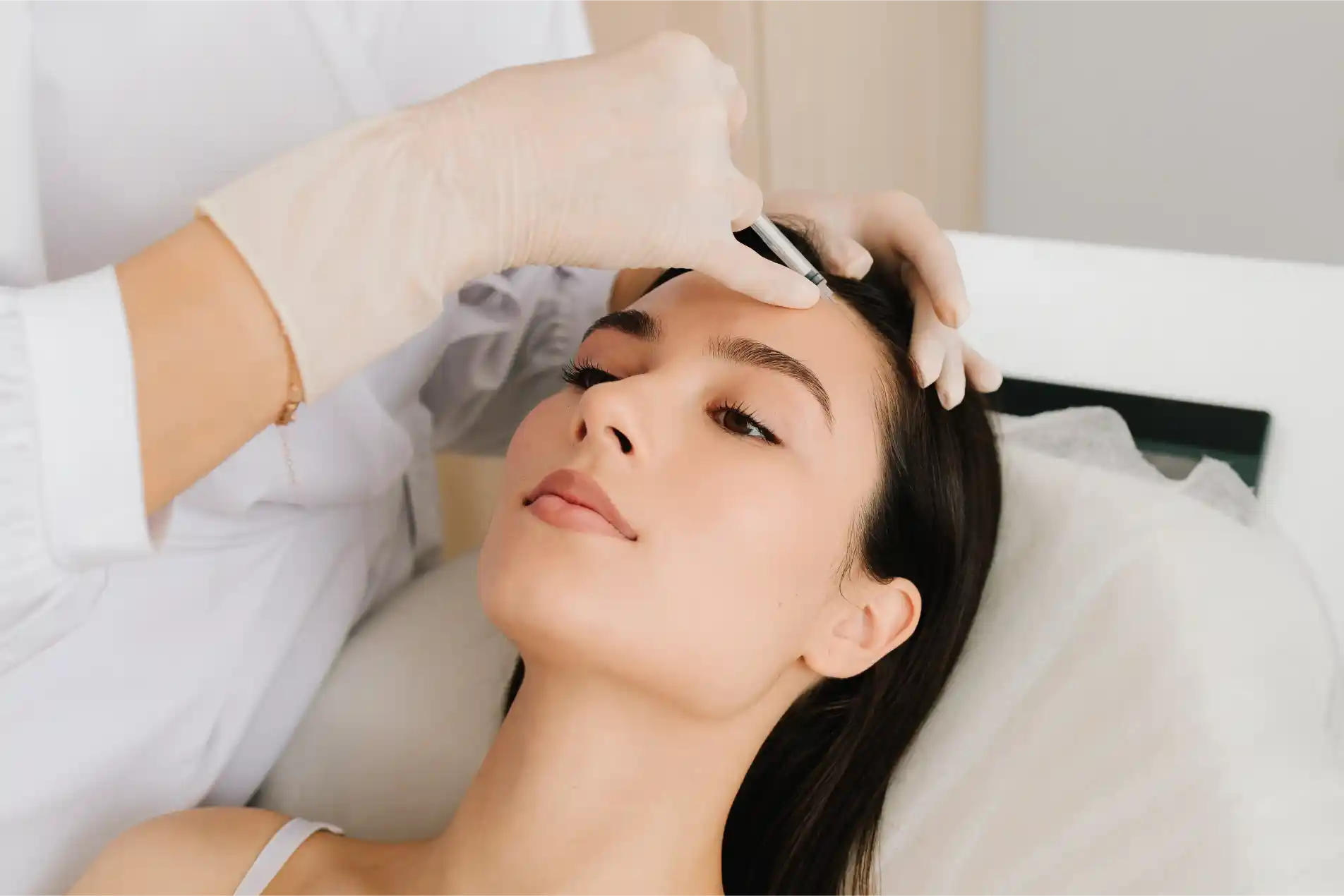
Table of Contents
If you have been researching cosmetic injectables, you have probably run into two names over and over: dermal fillers in Hollidaysburg, PA, and neuromodulators. They are the two most requested treatments at almost any med spa that Hollidaysburg, PA residents visit, and it is easy to see why people mix them up. Both are quick, minimally invasive, and can noticeably refresh your appearance.
But they work in very different ways, and choosing the wrong one for your concern means you might not get the result you were hoping for. This guide breaks down what each treatment actually does, how they compare, and how to figure out which one (or which combination) fits your goals.
How long do the results from each treatment typically last?
Dermal fillers generally last six to twelve months depending on the product and your body’s natural metabolism, while neuromodulators typically last three to four months. Because neuromodulators wear off faster, many patients schedule touch-ups more frequently than they would for filler maintenance.
What Are Dermal Fillers?
Hyaluronic acid fillers are gel-based injectables designed to restore volume and structure to areas of the face that have lost fullness over time. Hyaluronic acid occurs naturally in your skin, which is part of why these fillers tend to blend in smoothly rather than looking obvious or overdone.
At Ember Aesthetics, we use trusted filler brands, including Revance, Revanesse, and Radiesse, to restore cheek volume, soften nasolabial folds and marionette lines, enhance jawline and chin projection, and fill hollowness under the eyes.
Fillers are also a popular choice for lip fillers that patients in Hollidaysburg, PA, specifically request, since they can shape the lips, add subtle volume, and improve symmetry. The goal with lip enhancement PA clients typically want is a natural-looking lip filler result, meaning fuller, balanced lips without looking exaggerated. Results generally last six to twelve months depending on the product used and your body’s natural metabolism.
What Are Neuromodulators?
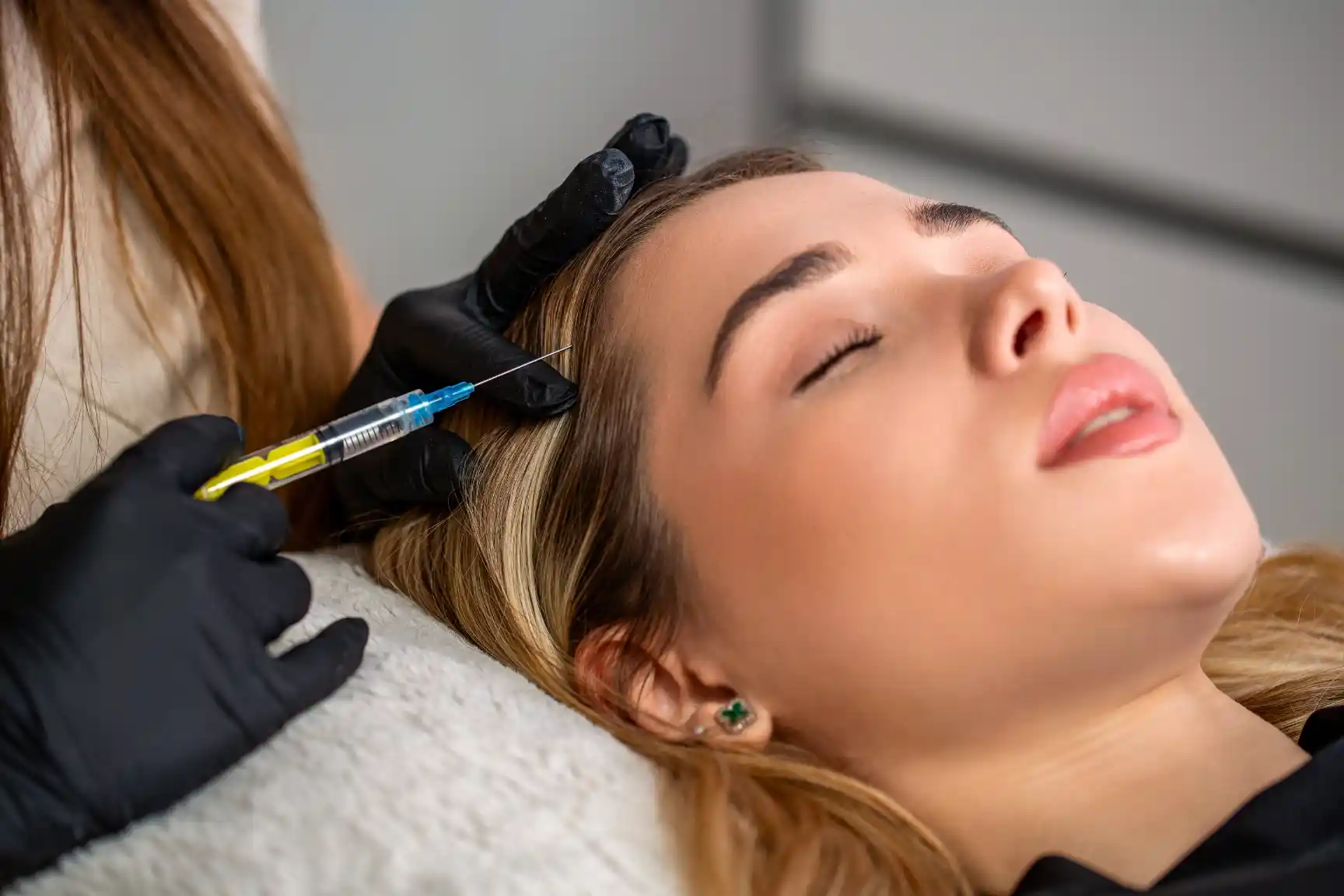
Where fillers add volume, neuromodulators work by temporarily relaxing the specific facial muscles responsible for repetitive movements like squinting or raising your eyebrows. Instead of filling in a line, they reduce the muscle activity that creates it in the first place.
This makes neuromodulators especially effective for expression-driven wrinkles such as forehead lines, crow’s feet around the eyes, and frown lines between the brows. These are often called dynamic wrinkles because they only show up when your face moves. Your provider can walk you through which option best matches your treatment plan during your consultation.
Dermal Fillers vs. Neuromodulators: Key Differences
Once you understand how each treatment works, the differences become much clearer. Here is a quick side-by-side comparison:
- Mechanism: Fillers add volume and structure. Neuromodulators relax targeted muscle movement.
- Best for: Fillers address static volume loss and contour concerns. Neuromodulators address dynamic, expression-related lines.
- Treatment areas: Fillers are typically used in the cheeks, lips, jawline, chin, and under eyes. Neuromodulators are commonly used on the forehead, between the brows, and around the eyes.
- Onset time: Fillers show results almost immediately, with final settling over a few days. Neuromodulators usually take three to seven days to take full effect.
- Duration: Fillers tend to last six to twelve months. Neuromodulators typically last three to four months, though this varies by person.
The comparison between dermal fillers and Dysport or other neuromodulators often comes down to the same distinction: volume versus movement. Neither treatment is better across the board. They are simply designed to solve different problems, and many patients benefit from using both in the areas where each one performs best.
How to Decide Which Is Right for Your Goals
The easiest way to figure out which treatment fits your goals is to think about what is actually bothering you when you look in the mirror. If you are noticing volume loss or a face that looks flatter than it used to, dermal fillers are likely the better starting point. If your main concern is lines that only show up when you smile or raise your eyebrows, a neuromodulator may address that more directly.
Good candidates for either treatment are generally healthy adults with realistic expectations. During your consultation, your provider will evaluate your facial structure and goals to recommend the right approach, and many patients end up combining fillers and neuromodulators as part of one personalized plan for a more balanced result.
Why Choose a Med Spa in Hollidaysburg, PA for Your Injectables
Because fillers and neuromodulators work so differently, getting an accurate assessment matters. At Ember Aesthetics, every treatment plan starts with a detailed consultation in which we evaluate your facial anatomy, skin condition, and aesthetic goals before recommending any treatment.
Patients throughout the region choose us as their cosmetic injector in the Altoona, PA area, and residents recommend us because we take a conservative, personalized approach rather than a one-size-fits-all treatment. Our goal is always a result that looks like a refreshed version of you, not a dramatically different one.
A Personalized Plan Makes All the Difference
Choosing between dermal fillers and neuromodulators does not have to feel overwhelming. Once you understand what each treatment is actually designed to do, it becomes much easier to match the right option to your specific concern, whether that is restoring volume, softening expression lines, or a combination of both.
Schedule Your Consultation Today
If you are still unsure which treatment fits your goals, that is exactly what a consultation is for. Our team at Ember Aesthetics will walk you through your options, answer your questions, and help you build a plan tailored to your face and your goals.
Schedule Your Free Consultation Today to take the next step toward a refreshed, natural-looking result.